Why Are Irish Drivers Moving Toward Home and Solar Charging Now?
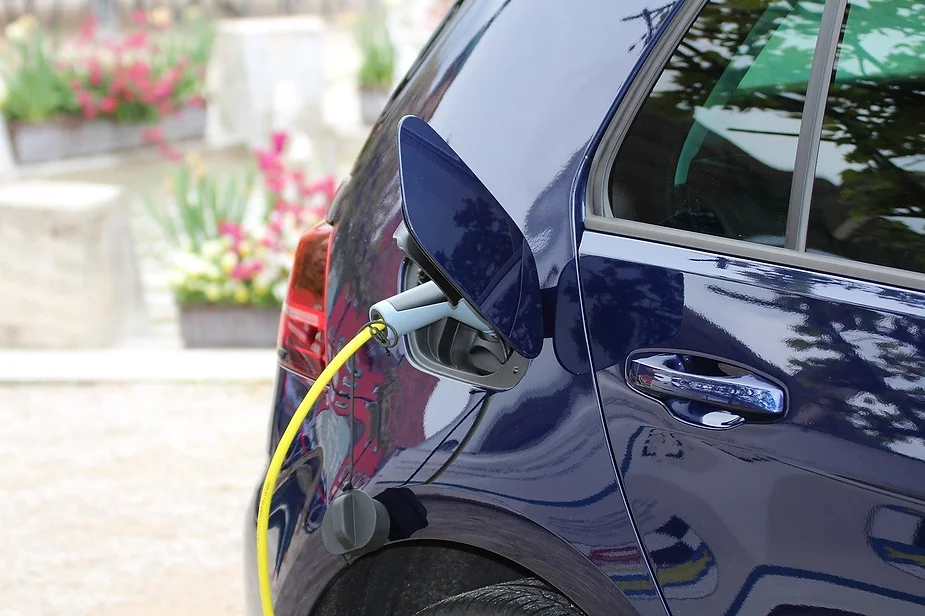
Yes — Irish drivers are increasingly switching to home charging and solar charging as fuel price volatility continues to push petrol and diesel costs higher. With over 80–90% of EV charging happening at home, drivers are discovering cheaper, more predictable running costs compared to traditional fuels.
Rising fuel costs have a habit of grabbing attention quickly — especially when filling the tank starts to feel like paying a small mortgage. Across Ireland, many households are rethinking how they power their vehicles and manage long-term transport costs.
What’s changing now isn’t just the price of fuel — it’s the mindset of drivers. Instead of reacting to fuel prices each week, Irish homeowners are starting to take control of their energy use. Home EV chargers and solar systems are becoming tools for stability, not luxuries.
In this article, we’ll explore why Irish drivers are shifting behaviour, what the real savings look like, and how home and solar charging are reshaping everyday motoring across Ireland.
TL;DR — Key Takeaways
- Irish drivers are increasingly switching to home charging and solar charging to escape volatile fuel costs.
- Over 80–90% of EV charging happens at home, making it the cheapest and most convenient option.
- Night-rate electricity significantly reduces running costs compared to petrol or diesel.
- Solar charging is growing rapidly as households aim for greater energy independence.
- Government incentives and grants continue to support EV charger and solar installations.
- Smart charging technology helps reduce electricity costs even as grid prices fluctuate.
Why Are Rising Fuel Costs Driving Irish Drivers Toward Home Charging?
Rising petrol and diesel prices are pushing Irish drivers to look for more predictable and affordable alternatives, with home charging emerging as the most practical solution. Charging an EV at home offers stable costs, convenience, and independence from fuel price swings.
For many drivers, the tipping point comes at the fuel pump. When prices spike suddenly, it highlights how little control motorists have over daily transport costs.
Home charging changes that dynamic.
Instead of relying on fuel stations, EV drivers can charge overnight at home using:
- Lower night-rate electricity tariffs
- Smart scheduling systems
- Predictable energy pricing
This shift gives drivers certainty, something traditional fuel simply cannot offer.
And perhaps most importantly — there’s a strong psychological shift happening. Drivers aren’t just reacting to price spikes anymore — they’re planning ahead.
That shift toward control is what’s driving the home charging boom.
How Does Home Charging Reduce the Impact of Fuel Price Volatility?
Home charging reduces exposure to fuel price volatility by allowing drivers to use electricity instead of petrol or diesel, particularly during cheaper night-rate periods. This provides stable running costs that remain largely unaffected by global oil supply disruptions.
Unlike petrol and diesel, electricity pricing — especially on time-of-use tariffs — can be managed.
That means drivers can:
- Charge during low-cost night hours
- Avoid peak electricity pricing
- Maintain consistent transport costs
Many Irish EV owners report that charging overnight becomes part of their routine — plug in before bed, wake up fully charged.
It removes:
- Fuel station visits
- Price shock anxiety
- Last-minute refuelling stress
That daily convenience becomes just as valuable as the savings.
And once drivers experience that convenience, few want to go back.
Why Is Home Charging Becoming the First Step Away from Fossil Fuels?
Home charging is becoming the first major step away from fossil fuels because it provides immediate cost savings and convenience without requiring major lifestyle changes. For many Irish households, installing a home EV charger is the simplest way to begin reducing reliance on petrol or diesel.
The transition to EV driving often begins with a simple question:
“Where will I charge the car?”
Once that answer becomes:
“At home.”
Everything changes.
Home charging allows households to:
- Start saving immediately
- Reduce dependence on public charging
- Create predictable daily routines
Many Irish drivers now view home charging as essential infrastructure, much like broadband or heating systems.
It’s no longer seen as an optional upgrade — it’s becoming a standard feature in modern homes.
And as EV adoption continues to grow, this trend is only accelerating.
Why Do Most EV Drivers Prefer Charging at Home?
Most EV drivers prefer charging at home because it offers unmatched convenience, lower costs, and greater reliability compared to public charging networks. With over 80–90% of EV charging happening at home, it has become the dominant charging method in Ireland.
Convenience is the biggest driver.
Charging at home means:
- No waiting at public stations
- No queue anxiety
- No detours on daily routes
Instead, drivers simply:
- Park
- Plug in
- Wake up ready to drive
That simplicity becomes part of daily life.
And when combined with smart charging tools, the process becomes almost effortless.
This convenience is why home charging is widely considered the foundation of EV ownership.
How Is Solar Charging Changing the Way Irish Drivers Power Their Cars?
Solar charging is changing how Irish drivers power their vehicles by allowing them to generate electricity at home and use it to charge EVs, reducing reliance on grid electricity and fossil fuels. This creates long-term cost savings and greater energy independence.
Solar charging introduces a new level of control.
Instead of buying all electricity from the grid, homeowners generate their own.
That electricity can then be used to:
- Power household appliances
- Charge EVs during daylight hours
- Store excess energy in batteries
For many households, solar charging becomes the logical next step after installing a home charger.
It transforms EV ownership from:
Electric driving
into:
Self-powered driving
That shift represents a major milestone in energy independence.
Why Are More Irish Homes Combining Solar Panels with EV Chargers?
More Irish homes are combining solar panels with EV chargers because the combination maximises energy savings, reduces grid dependency, and improves long-term financial returns. Using solar energy to charge EVs can significantly reduce lifetime driving costs.
When solar and EV charging work together, the financial logic becomes compelling.
Households can:
- Generate daytime electricity
- Use it directly for EV charging
- Reduce electricity imports from the grid
This approach provides:
- Greater energy resilience
- Protection from rising electricity costs
- Increased long-term savings
It also creates peace of mind — especially during periods of energy uncertainty.
That reassurance is becoming increasingly valuable in Ireland’s changing energy landscape.
How Do Night Rates Make Home Charging Even Cheaper?
Night-rate electricity makes home charging cheaper by allowing EVs to charge during off-peak hours when electricity prices are significantly lower. This reduces daily running costs and helps households maximise savings even without solar panels.
Night-rate tariffs are one of the biggest advantages available to Irish EV owners.
Instead of charging during peak daytime hours, smart chargers can schedule charging overnight.
This results in:
- Lower energy costs
- Reduced household energy bills
- Efficient electricity usage
Many drivers quickly learn that timing matters as much as technology.
Even households without solar panels benefit significantly from night-rate charging.
And when combined with solar — the savings potential increases even further.
Why Are Smart Chargers Important for Cost Control?
Smart chargers are important because they automatically schedule charging during cheaper electricity periods, helping homeowners reduce costs without manual intervention. They also optimise energy use, ensuring efficient and reliable vehicle charging.
Smart charging technology removes guesswork.
Instead of manually managing charging times, the system handles it automatically.
Features typically include:
- Scheduled charging
- Load balancing
- Energy usage tracking
These tools allow homeowners to:
- Avoid peak electricity costs
- Protect electrical systems
- Improve overall efficiency
Smart chargers also future-proof homes for evolving energy tariffs.
That flexibility makes them an increasingly popular choice across Ireland.
What Role Do Government Supports Play in Encouraging Home Charging?
Government supports encourage home charging adoption by reducing upfront installation costs and making EV ownership more accessible. Grants and incentives help Irish households transition to electric driving while improving national energy sustainability.
Financial support plays a major role in accelerating EV adoption.
Many households consider installation sooner because grants reduce initial costs.
These supports help:
- Lower entry barriers
- Encourage infrastructure upgrades
- Promote long-term energy planning
They also reinforce national goals around:
- Sustainability
- Energy security
- Emissions reduction
For many households, these incentives provide the confidence needed to take the first step.
And once installed, the long-term savings often outweigh the initial investment.
What If Irish Drivers Continue Moving Toward Home and Solar Charging?
If Irish drivers continue moving toward home and solar charging, the country could see increased energy independence, lower transport costs, and reduced reliance on imported fossil fuels. This shift would create a more resilient and sustainable energy future.
The long-term implications are significant.
More home charging means:
- Less reliance on imported fuels
- Greater stability in household budgets
- Improved national energy security
At the household level, this trend leads to:
- Predictable transport costs
- Reduced environmental impact
- Greater self-sufficiency
At the national level, it supports:
- Infrastructure resilience
- Sustainable energy growth
- Cleaner transportation systems
This movement isn’t temporary — it’s structural.
And the households adopting early are likely to benefit the most.
Frequently Asked Questions About Home and Solar Charging in Ireland
Home and solar charging are becoming central to EV ownership in Ireland, and many drivers have similar questions about cost, reliability, and practicality. These answers provide clear guidance to help homeowners understand what to expect.
Is Home Charging Cheaper Than Petrol or Diesel in Ireland?
Yes, home charging is typically far cheaper than petrol or diesel, particularly when using night-rate electricity. Many EV owners experience significantly lower running costs compared to traditional fuel-powered vehicles.
Can Solar Panels Fully Charge an Electric Vehicle?
Yes, solar panels can generate enough electricity to charge an EV, particularly during sunny periods. Many homes use solar alongside grid electricity to maximise flexibility and maintain reliable charging.
Do I Need Solar Panels to Install a Home Charger?
No, solar panels are not required to install a home charger. However, adding solar later can increase savings and reduce long-term energy costs.
Is Night Charging Safe for Electric Vehicles?
Yes, night charging is safe when using certified smart chargers. Modern systems are designed to automatically regulate power and ensure reliable operation.
How Long Does It Take to Charge an EV at Home?
Most home EV chargers can fully charge a vehicle overnight, depending on battery size and charger capacity. Overnight charging aligns well with typical daily driving patterns.
Will Electricity Costs Affect EV Savings?
Electricity costs can fluctuate, but smart charging and night-rate tariffs help reduce overall expenses and maintain strong cost advantages compared to fuel vehicles.
Conclusion — Why Home and Solar Charging Are Becoming Ireland’s New Normal
Irish drivers are increasingly turning to home and solar charging not just because fuel costs are rising, but because these technologies offer control, stability, and long-term savings. Charging at home — particularly with smart scheduling or solar support — transforms daily driving into a predictable and cost-efficient routine.
What once seemed like future technology is now becoming standard practice across Irish homes.
And as energy prices continue to fluctuate, the ability to generate, manage, and control your own energy becomes more valuable than ever.
What If Your Car Could Run on Energy You Control?
What if your next vehicle fill-up didn’t depend on unpredictable fuel prices at all? Speak to ePower today to explore how home charging and solar charging can give you control over your energy — and your costs — for years to come.