What Do the Latest CSO Figures Tell Us About Electric Vehicles in Ireland?
Electric vehicles accounted for 24.1% of new private vehicles licensed in Ireland during the first half of 2026. Almost one in four new private vehicles is now electric, a figure that puts the need for practical, accessible charging firmly into focus.
The latest CSO Composition of Ireland’s Vehicle Fleet 2026 findings show that, as of June 2026, there were 134,475 electric vehicles on Irish roads, representing 4.0% of the country’s total licensed vehicle fleet of 3,340,922 vehicles. The number of EVs increased by 39% from June 2025, when there were 96,817. CSO Composition of Ireland’s Vehicle Fleet 2026 findings
Petrol and diesel still account for 85.3% of the overall fleet, with hybrids making up another 10.5%. Between January and June 2026, however, 19,580 new EVs were licensed.
For ePower, the important issue is a practical one: making sure drivers have useful charging options at home and when they’re out on the road.
What Does Ireland’s Young EV Fleet Tell Us About Future Charging Demand?
Ireland’s private EV fleet is noticeably younger than the rest of the country’s cars. The CSO reports that 81.1% of private EVs are less than five years old, compared with just 18.1% of private non-EVs.
The figures suggest that many Irish drivers are relatively new to electric motoring. Along with choosing an EV comes a new set of practical decisions: where to charge it, whether to install a charger at home and how to handle longer journeys.
Some drivers will do most of their charging at home. Others, particularly those without suitable off-street parking, will rely more heavily on public charging. The balance will be different for every driver.
How Does ePower See Public EV Charging Supporting Irish Drivers?
Public EV charging gives drivers somewhere to charge on longer journeys and provides an important option when charging at home isn’t available. From ePower’s experience, the location of a charger and how straightforward it is to use are just as important as the equipment itself.
The ePower public charging network gives drivers access to ePower charging locations, with options including the ePower App, RFID key fob and contactless payment where available.
Different locations also call for different approaches. Someone staying at a hotel may have several hours to charge, while a driver stopping during a longer journey may want to get moving again sooner. Charging needs to suit how long people are likely to stay at the location.
Why Will Home EV Charging Remain Important in Ireland?
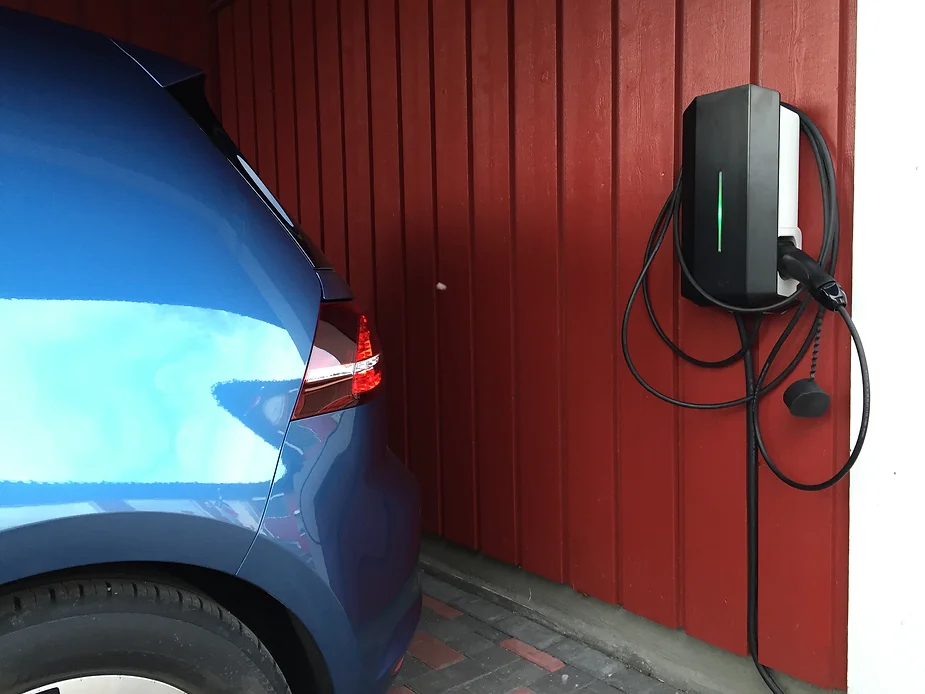
For drivers with suitable off-street parking, a home EV charger allows the car to charge during the long periods when it’s already parked at home. Charging overnight can mean starting the following day with the energy needed for regular driving without making a separate journey to refuel.
Smart home chargers can also schedule charging for particular times. For households with electricity tariffs that offer cheaper periods, this can help manage charging costs without having to start and stop each charging session manually.
For anyone considering a home EV charger in Ireland, the right choice depends on more than the charger model. Daily mileage, when the car is normally parked at home and the household’s electricity tariff are all worth considering before installation.
How Can Home and Public EV Charging Work Together?
Home charging is well suited to regular daily driving, while public charging provides extra flexibility when travelling further or when charging at home isn’t practical. Most EV drivers don’t need to choose one or the other.
A driver might charge overnight at home for the daily commute and use a public charger during a longer weekend journey. Workplace and hotel charging can provide further options because cars are often parked at these locations for several hours anyway.
It’s a different approach from the familiar petrol or diesel filling station model, but one that fits naturally around the amount of time cars already spend parked.
How Can Solar Panels Support EV Charging at Home?
Combining a home EV charger with solar panels gives households the opportunity to use some of the electricity generated on their own roof to charge their car. How much solar electricity can be used will depend on generation, driving habits and, importantly, whether the vehicle is at home when the panels are producing.
A car that’s parked at home during the day may be able to make greater direct use of solar generation. If the car is at work while the panels are producing, the household’s energy use will look quite different.
A compatible smart EV charger can use available solar electricity towards charging the vehicle. Looking at when the car is normally home alongside when the household generates and uses electricity gives a much more useful picture than simply adding solar panels and an EV charger without considering how they’ll be used.
Where Does Battery Storage Fit with Solar Panels and Home EV Charging?
Battery storage can give households more flexibility in how they use electricity generated by solar panels. Surplus solar electricity can be stored for later household use, while some systems can also charge a battery during cheaper electricity periods, depending on the installation and tariff.
A battery won’t make sense for every EV owner.
A household where the car is away all day will have a different energy pattern from one where somebody works from home and the EV is regularly parked outside. Evening electricity consumption and existing solar generation can also influence whether storage is worth considering.
At ePower, we believe it’s better to understand those patterns before deciding what equipment a household actually needs.
Why Should EV Drivers Look at Their Overall Home Energy Use?
An electric car brings transport and household electricity together in a way that petrol and diesel cars never did. Looking at the EV charger alongside the home’s electricity tariff, solar panels and possible battery storage can help homeowners make more informed choices.
This is an area where ePower’s experience across EV chargers in Ireland, solar and battery storage is particularly useful.
There isn’t a standard setup for every property. A driver with a short commute and modest household electricity use may need something quite different from a high-mileage household with heavy evening consumption.
Good advice starts with understanding how the car and the home are actually used before choosing the equipment.
What Do the CSO Figures Mean for Businesses and Public Charging Locations?
As more people move to electric cars, businesses will increasingly encounter employees, customers and fleet drivers arriving in EVs. Workplace and destination charging therefore needs to be considered in the context of how a particular site is used rather than simply how many charging points can be installed.
The CSO data on Ireland’s vehicle fleet shows that EV ownership is not evenly distributed around the country. In June 2026, Dublin had 47,401 private EVs and Cork had 13,840. Together, the two counties accounted for 49% of Ireland’s private EV fleet, despite representing around 40% of the population. CSO data on Ireland’s vehicle fleet
Businesses considering EV charging need to look at how vehicles use their site. Workplace cars may remain parked for most of the working day, while customers at other locations could stay for a much shorter period.
Electrical capacity also needs to be considered at the planning stage, particularly where several vehicles could be charging at the same time. Getting these basics right can make the difference between installing chargers and installing chargers that work well for the site.
Why Should Ireland Plan EV Charging Infrastructure Ahead of Demand?
EV charging infrastructure takes planning. Homes, workplaces and public sites have different requirements, and commercial installations in particular need to consider location, electrical capacity and how long vehicles are likely to remain on site.
The existing Irish vehicle fleet will take time to change, but decisions about charging infrastructure are being made now.
For businesses, this means considering likely future use rather than installing purely for today’s demand. For homeowners buying an EV, it means thinking about how and where the car will normally be charged before choosing the equipment.
Planning early gives both groups more opportunity to choose a setup that suits how it will actually be used.
What Does ePower Believe the Future of EV Charging in Ireland Looks Like?
Ireland will need a practical mix of home, public, workplace and destination charging. Some households will also find that solar generation or battery storage makes sense alongside their EV, while others may simply need a well-chosen home charger and access to public charging when travelling.
ePower’s experience in this area has shown that good charging starts with understanding where the vehicle will be parked, how often it needs to charge and what the electrical setup can support.
For a homeowner, that may mean straightforward overnight charging. For a business, it may involve planning for several vehicles and managing the available electrical capacity. For drivers away from home, it means being able to find and use a public charger when they need one.
The technology will continue to develop, but the basic requirement is unlikely to change: charging has to work for the people using it.
For ePower, that’s where good planning and practical experience count.
Read the latest CSO vehicle fleet figures