Why Are More Dublin Homeowners Choosing Solar Panels?
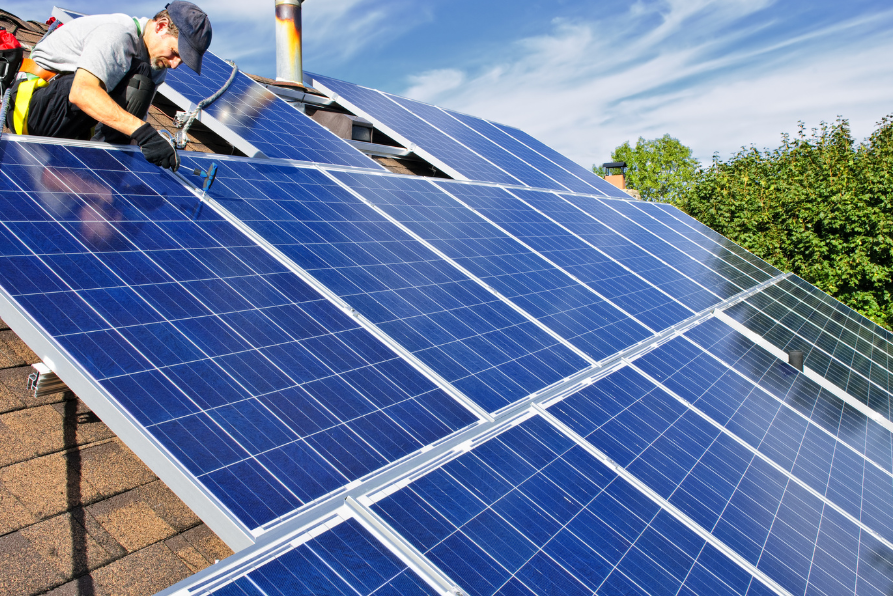
Solar panels in Dublin can reduce the amount of electricity a home needs to buy from the grid. With the SEAI Solar PV Grant offering up to €1,800 for eligible homeowners in 2026, more people are looking seriously at whether their roof could generate useful electricity.
By the end of 2025, more than 102,000 Irish homes had received grant support for solar panels, with around a third of those installations taking place during 2025 alone.
SEAI figures on home energy upgrades and solar installations in 2025
For a homeowner in Dublin or elsewhere in Leinster, the attraction is fairly straightforward. Electricity generated on the roof can be used in the house, reducing the amount that has to be bought from the grid.
The question we tend to focus on isn’t whether solar works in Ireland. It’s what a particular roof can produce and how much of that electricity the household is likely to use.
Do Solar Panels Work in Dublin’s Cloudy Weather?
Solar PV panels generate electricity from daylight, not just direct sunshine. A grey Dublin day will produce less than a bright summer day, and winter generation is naturally lower, but the panels don’t stop working simply because there’s cloud overhead.
Homeowners are sometimes surprised to look at their solar monitoring on an overcast day and see that the system is still producing.
The bigger issues are often closer to home. A terraced or semi-detached house may have decent roof space but also a chimney casting shade across part of it. A rear extension or dormer can reduce the usable area, while mature trees or neighbouring buildings can affect generation at certain times of day.
These are the details that need to be looked at properly before deciding how many panels make sense.
How Can Solar Panels Reduce Your Electricity Bills?
Solar panels can reduce electricity bills because the home uses some of the electricity generated on the roof instead of buying it from the grid. How much difference that makes depends partly on what is happening in the house while the panels are producing.
Take an ordinary weekday. Someone working from home might have laptops running on the kitchen table, put the dishwasher on after breakfast and run a washing machine during the afternoon. Another house on the same road might be empty from 8am until 6pm.
Those two homes can have similar solar PV systems but use their generation very differently.
Moving some flexible electricity use into daylight hours can help. You don’t have to organise the entire household around the panels, but running a dishwasher or washing machine when there’s plenty of solar generation can make better use of electricity you’re already producing.
The SEAI also provides a calculator for homeowners who want an initial estimate of potential solar generation and savings.
SEAI Solar Electricity Calculator
How Much Is the SEAI Solar PV Grant in 2026?
For eligible homeowners, the SEAI Solar PV Grant can provide up to €1,800 in 2026 towards the cost of installing solar panels. The amount is linked to the size of the solar PV system.
The current grant structure is:
- 1kWp: €700
- 2kWp: €1,400
- 3kWp: €1,600
- 4kWp: €1,800 maximum grant
SEAI states that the home must have an MPRN, must have been built and occupied before 2021, and must not previously have received solar PV funding under the scheme at that MPRN. Grant approval also needs to be in place before the installation work proceeds.
If you’re comparing quotes for solar panels in Dublin, check your eligibility before assuming the full grant will apply to the final cost.
SEAI Solar PV Grant rates and eligibility requirements
How Quickly Is Solar Power Growing Across Ireland?
Solar PV has become a much more familiar sight on Irish homes. More than 102,000 homes had received grant support by the end of 2025, while Ireland generated around 1.65 TWh of electricity from solar PV in 2025, 50% more than in 2024.
The growth is noticeable around Dublin and Leinster too. Solar is turning up on older semi-detached houses, newer estates and homes where owners are also thinking about batteries or an electric car.
Nationally, solar electricity generation in 2025 was also 150% higher than in 2023.
SEAI National Energy Balance solar generation data
How Can You Use More of the Solar Electricity You Generate?
Getting more from solar often comes down to timing. Electricity generated while the washing machine, dishwasher or home office is running can be used there and then. If very little electricity is being used in the house, the picture is different.
There’s no need to chase every sunny spell around the house switching appliances on. It is simply useful to know when the system tends to produce and which parts of your electricity use can reasonably be moved into those hours.
For somebody working from home, that may happen quite naturally. A house that’s empty all day may have more reason to look at scheduling appliances or whether battery storage would be useful.
Should You Add Battery Storage to Solar Panels?
Battery storage allows surplus solar electricity to be kept for later household use rather than requiring all of your solar generation to be used as it’s produced. Whether that makes sense depends heavily on when the house is occupied and when it uses most electricity.
Imagine the panels are producing well at 1pm, but everyone is out. By 6pm, people are home, dinner is being cooked, lights and appliances are on and solar output is already falling. That’s the kind of daily pattern where a battery becomes more interesting.
Some systems can also charge a battery during cheaper electricity periods, depending on the installation and tariff.
A battery can be useful, but we wouldn’t add one simply because there’s room for it. We first want to see when the house is actually using electricity and how the solar system is likely to perform. In some homes storage fits very well; in others the case is less compelling.
Can Solar Panels Help Charge an Electric Car at Home?
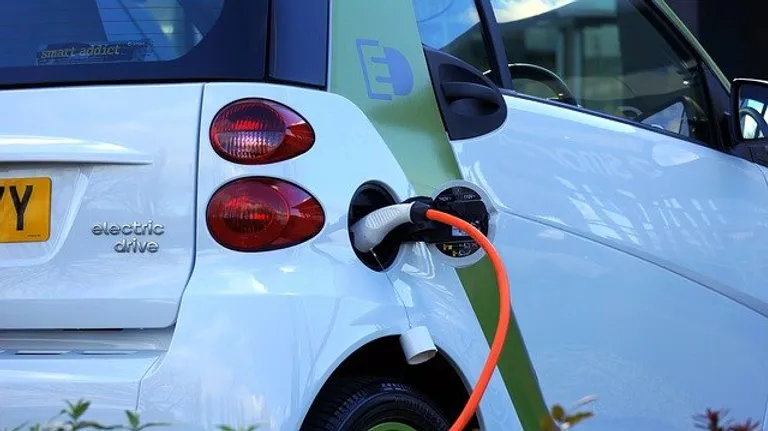
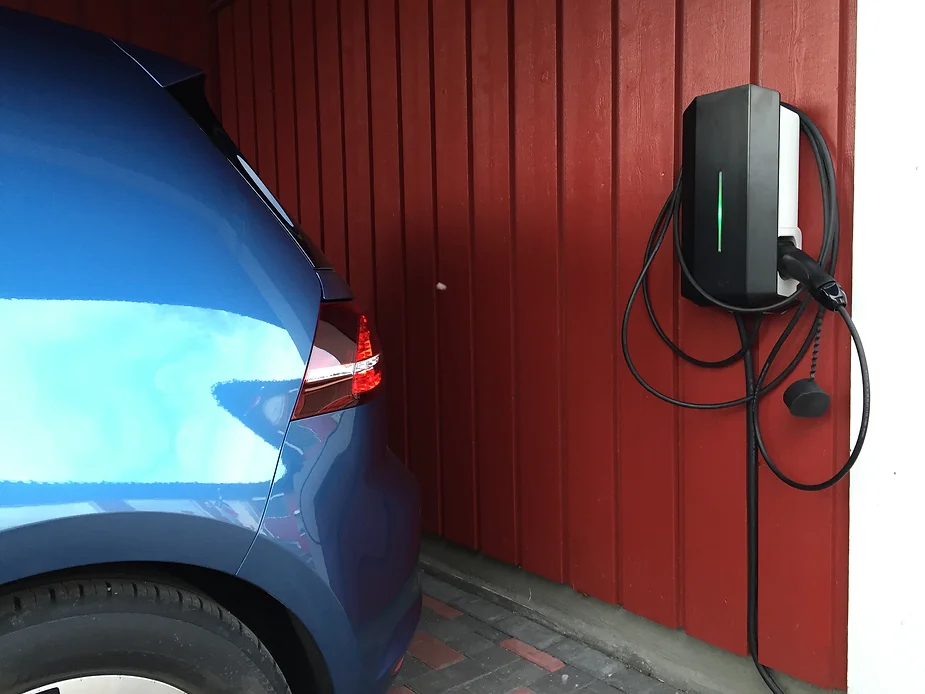
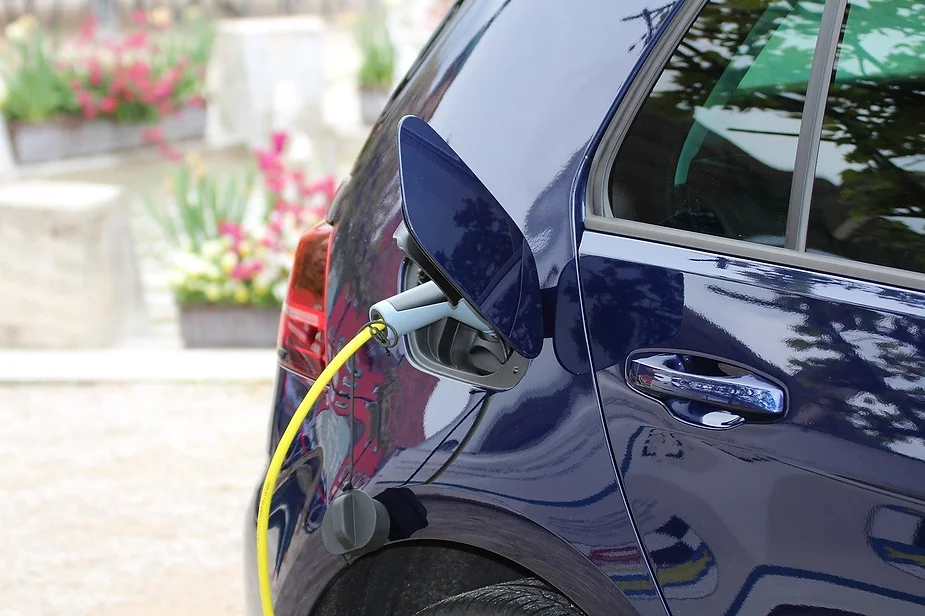
Yes. Solar panels can contribute electricity towards home EV charging when the car is plugged in and solar generation is available. The practical benefit depends largely on whether the EV is actually sitting outside when the panels are producing.
If the car is on the driveway during the day, perhaps because somebody works from home or doesn’t drive every day, solar charging can be particularly useful.
If it leaves Dublin at 8am for the daily commute and comes back at 6pm, much of the strongest solar generation may have happened while the car was gone. In that house, scheduled overnight EV charging may still do much of the work, while daytime solar electricity is used elsewhere.
For households considering solar PV and home EV charging together, it makes sense to look at the normal weekly routine rather than an ideal sunny day.
How Do Solar Panels Reduce Your Home’s Carbon Footprint?
Solar PV generates renewable electricity at the property, reducing the amount of electricity the household needs to draw from the grid while the panels are supplying its needs.
There’s very little day-to-day involvement once a system is running. The panels generate when conditions allow, and the electricity is used around the house where it’s needed.
For many homeowners, lower electricity costs may be the main motivation for installing solar. Producing renewable electricity at home is an additional benefit of the same system.
Can Solar Panels Add Value to a Dublin Home?
Solar panels may make a property more attractive to buyers who are paying attention to energy efficiency and running costs, although installing solar should not be treated as a guarantee that a home will sell for a particular amount more.
Buyers increasingly notice practical energy features when viewing a property: the BER rating, likely heating and electricity costs, whether there’s an EV charger on the driveway and whether solar panels are already installed.
An existing solar PV system means the next owner can generate some of the home’s electricity without having to arrange an installation themselves. If a battery or home charger is already part of the setup, that may also be relevant to a buyer.
The value somebody places on those features is ultimately individual, so we’d avoid attaching a guaranteed property-price uplift to them.
What Should You Check Before Installing Solar Panels in Dublin?
A roof can look ideal from the garden and still present a few issues once it’s examined properly. Orientation, chimneys, dormers, extensions, neighbouring roofs and trees can all affect the space available for panels and the amount of daylight reaching them.
Before deciding on a system, look at:
- Usable roof space and its condition
- Roof orientation and shading
- Current electricity bills and consumption
- When most electricity is used
- Whether battery storage is being considered
- Whether there’s an EV now or likely to be one later
Dublin housing can be particularly varied in this respect. Two similar-looking houses can have quite different usable roof areas because one has a large rear extension or dormer, while the other gets afternoon shade from a neighbouring property or mature trees.
Those details are more useful than choosing a system purely by the number of panels advertised in a package.
Is Solar PV Worth It for a Dublin Home?
For many Dublin homeowners, solar PV can be a worthwhile long-term investment because it reduces the amount of electricity that needs to be bought from the grid. But the numbers have to work for the individual property rather than for an average Irish household.
Consider two similar semi-detached houses on the same Dublin road. Both could have almost identical solar installations. In one, somebody works from home, the washing machine runs during the day and an EV is often on the driveway. Next door, everybody leaves early in the morning and the house doesn’t get busy again until six.
The panels may generate similar amounts of electricity, but the households won’t necessarily use that electricity in the same way.
Roof orientation and shading add another layer. This is why an assessment based on the actual property and recent electricity use is far more useful than a generic payback figure.
Where Does ePower Install Solar Panels Across Dublin and Leinster?
ePower installs solar PV for homeowners across Dublin and the wider Leinster region, along with battery storage and home EV chargers. When a homeowner is considering more than one of these, they can be looked at as one household energy setup rather than separate purchases.
Sometimes solar on its own is the sensible choice. In another home, the electricity-use pattern may make a battery worth discussing. If there’s already an EV on the driveway, or one is planned, that needs to be factored in too.
We’d rather size and plan the system around the house than start with a package and try to make the house fit it.
How Can You Find Out What Solar Could Save You?
A solar assessment should give you a realistic idea of what can be installed on your roof, what the system could generate and how that relates to the electricity you’re already using. It’s particularly useful in Dublin, where roof space, extensions and shading can vary considerably even between neighbouring homes.
If you’re considering solar panels in Dublin or Leinster, ePower can look at the property and the household’s electricity use, as well as battery storage or home EV charging where they’re relevant.
For most homeowners, the useful starting point is fairly simple: look at the roof, look at the electricity bills and work out what the house could realistically produce before deciding what to install.