Planning to buy an electric car in 2027? Arranging your home EV charger installation before collection gives you time to choose suitable equipment, check your electrical supply and organise any work needed. Your car may still be on order, but preparations at home can begin.
There is plenty to think about when choosing an EV. Sorting out charging alongside the purchase means one less job competing for your attention when the keys arrive.
At ePower, we can help you assess what your property needs and choose a charging setup that suits your driving. Here are the questions worth answering before the New Year.
Can You Install a Home EV Charger Before Buying Your Car?
Yes. You can arrange a home charger installation before your electric car arrives. Under the current SEAI scheme, homeowners can also apply for the home charger grant without already owning an EV, provided the property and installation meet the eligibility requirements.
If you have chosen your car, share its make, model and expected collection date with the installer. If you are still comparing vehicles, explain what you are considering rather than buying a charger on specification alone.
The aim is to have equipment that works with the car you intend to buy and fits how you use your home. That includes where you park, how far you usually drive and when the car will be available to charge.
Why Arrange Your Charger Installation Before the New Year?
Starting early leaves room for the assessment, grant application and any electrical work that needs to happen before installation. It also gives you time to agree a realistic booking date instead of trying to fit everything around an imminent car collection.
The fitting appointment is only part of the process. Your property may need further checks, permissions or preparatory work before the installer can proceed.
Tell ePower when you expect your car, particularly if you are hoping to collect it early in January. Ask about current availability and whether anything identified during the assessment could affect the schedule. Holiday arrangements are another detail to confirm.
Booking ahead can reduce the risk of a last-minute scramble. The installation date still needs to be agreed once the requirements are clear.
What Will ePower Need to Check at Your Home?
The assessment helps establish whether your electrical installation can support the charger, where it should go and what work is required. These decisions affect everyday convenience as well as the installation quotation, so they are best settled before equipment is selected.
ePower’s “3 Snaps and a Chat” process starts with photographs of your meter, fuseboard and preferred charger location, followed by a discussion with the team. A site survey can be arranged where needed. Follow the team’s photography guidance without removing electrical protective covers.
Where Should Your Home Charger Be Positioned?
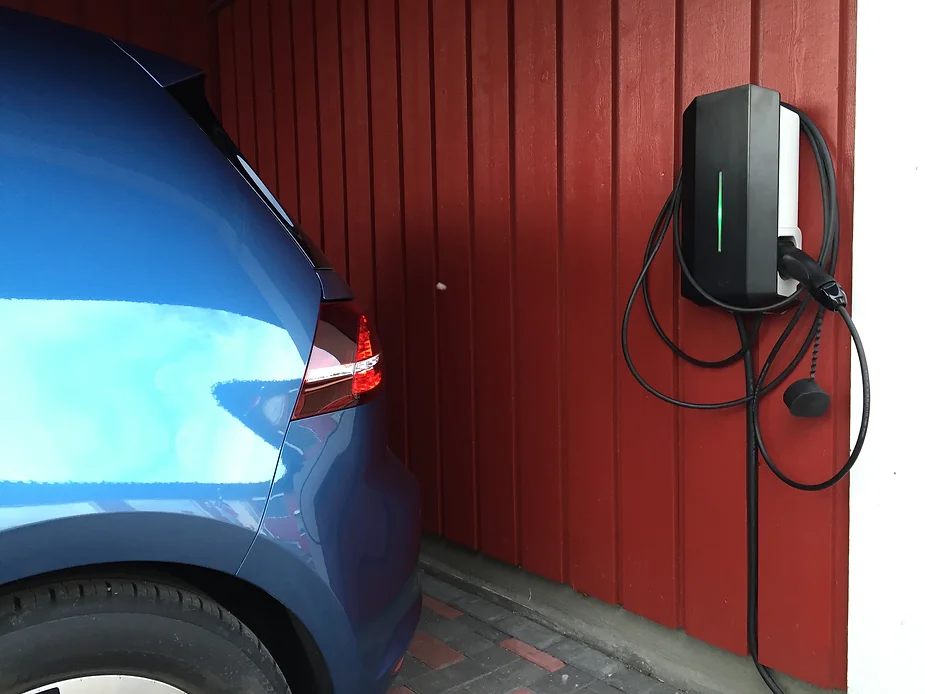
The best position lets the cable reach your car comfortably while keeping access routes clear. The installer also needs to consider the route from the electrical supply; a longer or more complicated cable run can affect the work involved and its cost.
Think about how you actually park. Do you normally reverse into the driveway? Is another car likely to sit between the charger and your EV? Where is the charging socket on the model you are buying?
A position that looks tidy on an empty driveway may prove awkward once both household cars are home.
What Electrical Work Might Be Needed Before Installation?
Your installer should establish whether the existing electrical arrangement is suitable and identify any additional work or load-management equipment required. An older property should be assessed on its condition and capacity; its age alone does not tell you what needs replacing.
Ask for the quotation to explain what is included and how any additional work will be agreed. If the assessment identifies something that needs attention, you can then understand its cost and effect on timing before proceeding.
What Should You Check About the SEAI Home Charger Grant?
SEAI currently offers eligible applicants up to €300 towards a home charger purchase and installation. Receive your Letter of Offer before work starts, follow its conditions and use a Safe Electric Registered Electrical Contractor. Grant support is subject to eligibility.
The current scheme requires an eligible smart charger on SEAI’s Smart Charger Register. SEAI has also announced a register update from 1 April 2027: chargers installed after that date must remain eligible under the updated register to receive support.
Check the rules for your intended installation date. Current conditions include suitable off-street parking and restrictions where the property has already received home charger support. Installation and the completed payment claim must meet the six-month offer deadline.
ePower can advise on the application process. You can also read the current SEAI home charger grant requirements before making arrangements.
How Can Smart Charging Help You Manage Electricity Costs?
Smart charging can schedule your car to charge during lower-priced electricity periods, where your tariff offers them. The useful saving depends on your electricity plan, how much charging you need and whether you can fit that charging into the available hours.
A low advertised overnight rate is only part of the comparison. Check the length of the charging window, daytime prices and standing charges, then consider the electricity used by the rest of your household. SEAI explains the different options in its guide to smart meters and tariffs.
For example, a household topping up after a short commute may have different needs from one regularly returning with a nearly depleted battery. A short discounted window may suit the first household better than the second.
You can review tariffs before the car arrives without rushing to switch. Check when a new plan would start and whether it suits your present usage while you wait.
What If You Already Have Solar Panels or Plan to Add Them?
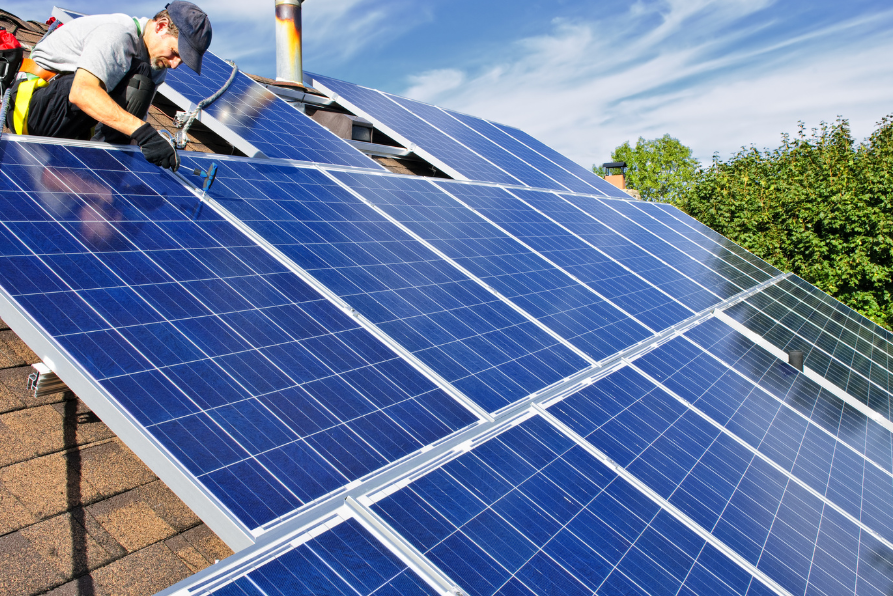
Tell ePower about existing solar panels or future plans before choosing the charger. A compatible setup may use surplus solar electricity for charging, but ordinary app control and scheduled charging do not automatically provide that functionality.
The equipment and configuration need to suit your installation. Your routine matters too: a car parked at work during daylight hours has fewer opportunities to use solar generation directly than one regularly parked at home.
You do not need to resolve every future energy decision before buying an EV. Mentioning your plans gives the installer useful information when recommending the initial setup.
For a fuller explanation, read ePower’s guide to installing an EV charger now and solar panels later.
What Should Be Ready Before You Collect Your Electric Car?
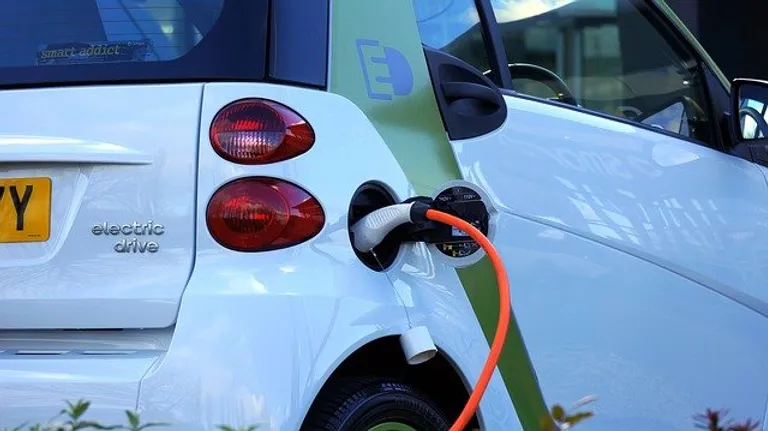
Before collection, confirm that the charger installation and testing are complete, understand the controls and know how to get help. Having the charger fitted in advance gives you time to become familiar with it before adding a new car to the routine.
Ask the installer to explain the charging schedule, how to start a charge outside that schedule and any app setup required. When the car arrives, check that its own timer settings work with the arrangement you intend to use.
Keep the installation documents and grant paperwork together. For vehicle charging limits, follow the manufacturer’s guidance rather than assuming every EV should be charged to the same percentage.
The everyday benefit is straightforward: plug in at home and have the charge you need for the next journey, allowing enough time for your particular car and charger.
How Can You Get EV-Ready With ePower?
Start with your expected collection date, the car you are considering and a discussion about your property. ePower can help you explore suitable home charging options and establish the next steps before you commit to an installation.
Your 2027 EV may not be in the driveway yet, but preparations can begin. Talk to ePower about your home charger installation and give yourself time to make the arrangements.
What if collecting the keys was the only thing left on your list?